

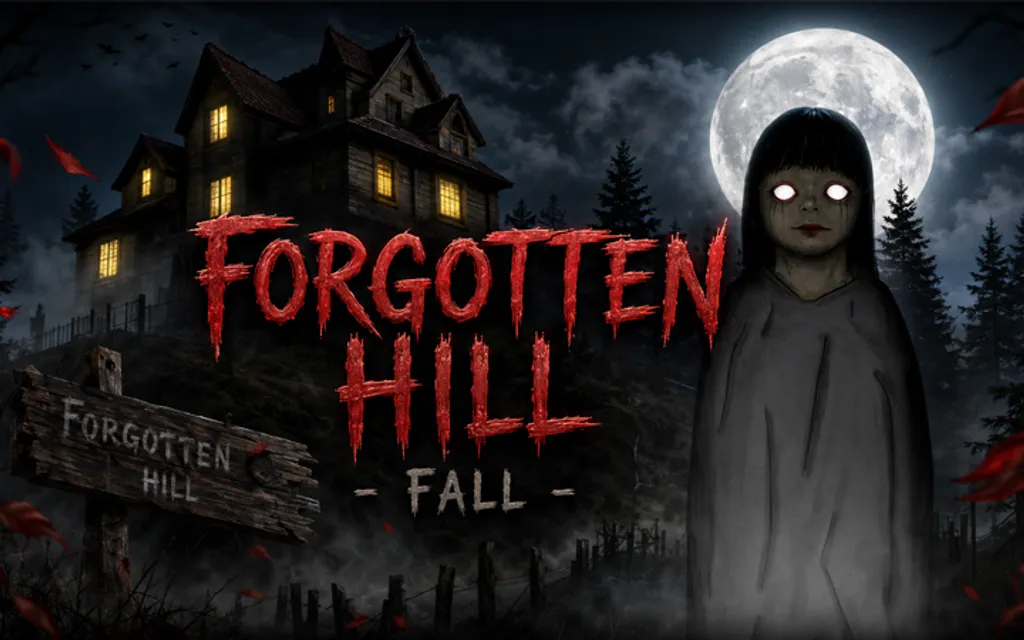
Forgotten Hill: Fall
New Games








Uncovering the Dark Secrets of Forgotten Hill: Fall
In the modern landscape of horror gaming, it is incredibly common for developers to rely entirely on cheap, loud audio spikes and frantic action sequences to generate fear. However, there is a very distinct, slow-burn terror that can only be achieved through meticulous atmospheric world-building and unsettling environmental storytelling. This deeply psychological approach to horror is exactly what makes the experience of playing Forgotten Hill: Fall so incredibly effective. As a massive fan of classic, puzzle-heavy point-and-click adventure games, I was immediately drawn into the deeply disturbing narrative that this specific title presents. The game wastes absolutely zero time establishing its oppressive tone. In Forgotten Hill: Fall, the narrative kicks off with a universally understood nightmare scenario: your car has completely broken down on a desolate, pitch-black road in the middle of nowhere. With the freezing temperature dropping rapidly and no cell phone reception available, your only option for survival is to seek shelter in a massive, seemingly abandoned house looming in the distance. The brilliance of Forgotten Hill: Fall lies in how it systematically weaponizes this classic horror trope. Once you cross the threshold of that front door in Forgotten Hill: Fall, the game locks you inside a beautifully hand-drawn, deeply grotesque labyrinth of logic puzzles and terrifying visual anomalies. It is an experience that does not just try to startle you; instead, Forgotten Hill: Fall actively attempts to make you feel profoundly uncomfortable for the entire duration of your playthrough.
The Intense Atmosphere and Narrative
The visual presentation is the absolute driving force behind the game's creeping dread. Every single room you enter in Forgotten Hill: Fall is meticulously illustrated with a distinct, grimy aesthetic that immediately suggests horrific past events. You are not just exploring an old house; you are exploring a crime scene in Forgotten Hill: Fall. The environmental details in Forgotten Hill: Fall are deeply unsettling: strange symbols smeared on the walls in blood, bizarre taxidermy experiments resting on dusty shelves, and cryptic diary entries detailing the descent into madness of the former occupants. This heavy reliance on show-don't-tell storytelling in Forgotten Hill: Fall completely immerses the player, forcing them to mentally piece together the horrific lore of the estate while simultaneously trying to escape it in Forgotten Hill: Fall.
Surviving the Jump Scares
While the game relies heavily on psychological tension, it absolutely knows exactly when to deploy a visceral shock to the system. The jump scares in Forgotten Hill: Fall are incredibly effective because they are earned, not spammed. You might spend ten minutes staring at a complex puzzle lock in Forgotten Hill: Fall, completely focused on the logic problem, only to turn around and find a terrifying, unnatural entity staring directly at you from the hallway in Forgotten Hill: Fall. This unpredictable pacing in Forgotten Hill: Fall ensures that you can never fully let your guard down. The constant, gnawing anxiety that something is quietly watching you from the shadows makes even the simple act of clicking on a new door in Forgotten Hill: Fall feel like a massive risk.
Solving Complex Environmental Puzzles
The horror elements serve as the dressing, but the core mechanical gameplay is rooted entirely in complex, old-school adventure logic.
Collecting and Combining Cryptic Items
You cannot simply run out the back door. The house is completely locked down, requiring you to systematically dismantle its security through deep inventory management. Exploring the dark corners of Forgotten Hill: Fall will yield a bizarre collection of seemingly useless items. You might find a rusty pair of pliers, a vial of strange liquid, and a broken gear scattered across three different floors. The true challenge of Forgotten Hill: Fall is mentally mapping out where these items need to be applied. You frequently have to combine items in your inventory in Forgotten Hill: Fall to create improvised tools, using bizarre logic that perfectly fits the surreal, nightmare logic of the game world.
The Importance of Deep Observation
The puzzles are intentionally obtuse, refusing to hold your hand or provide glowing objective markers. To progress, you must become an incredibly careful observer. A seemingly random painting on the wall in the dining room of Forgotten Hill: Fall might actually be the cryptographic key required to unlock a safe in the basement. If you try to brute-force your way through the puzzles in Forgotten Hill: Fall without paying close attention to the environmental clues, you will remain trapped in the house forever. The intense satisfaction you feel when you finally crack a complex code in Forgotten Hill: Fall is massive, perfectly balancing out the sheer terror of your surroundings.
Final Verdict: A Masterclass in Creepy Point and Click
By flawlessly merging a deeply disturbing, hand-drawn aesthetic with challenging, brain-teasing adventure mechanics, this title stands out as a premier browser-based horror experience. Forgotten Hill: Fall is not a game for players who want to mindlessly click their way to victory; it demands your full attention, your logical deduction skills, and your absolute bravery. The oppressive atmosphere, the deeply unsettling narrative lore, and the highly rewarding puzzle design ensure that the house will completely sink its claws into you. Whether you are frantically trying to decode a blood-stained diary or nervously peering into a dark, unlit hallway, Forgotten Hill: Fall delivers a masterfully crafted, deeply terrifying point-and-click nightmare that you will not soon forget.