

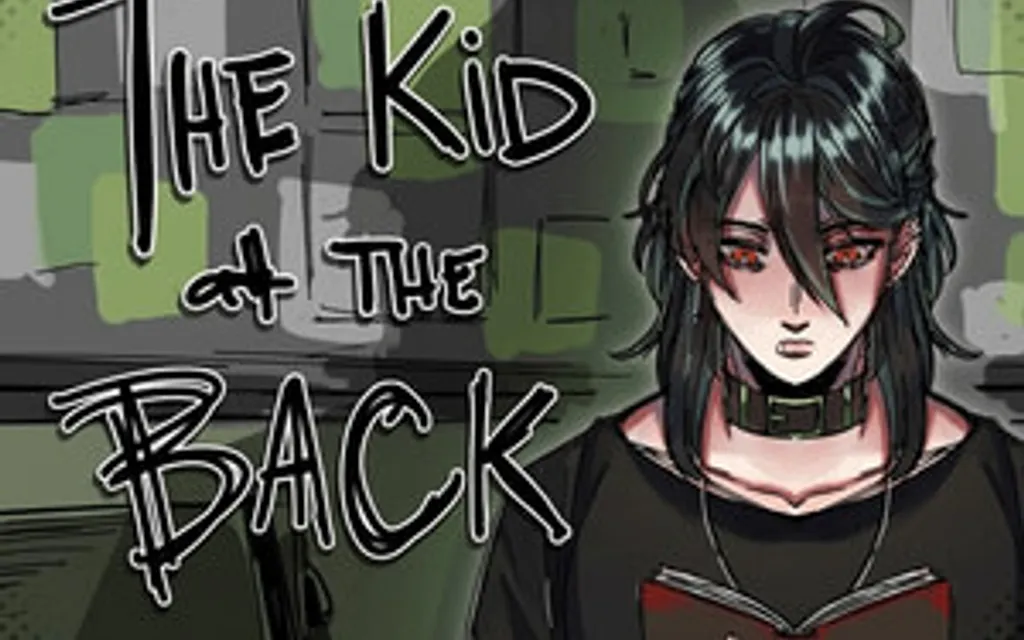
The Kid At The Back
New Games

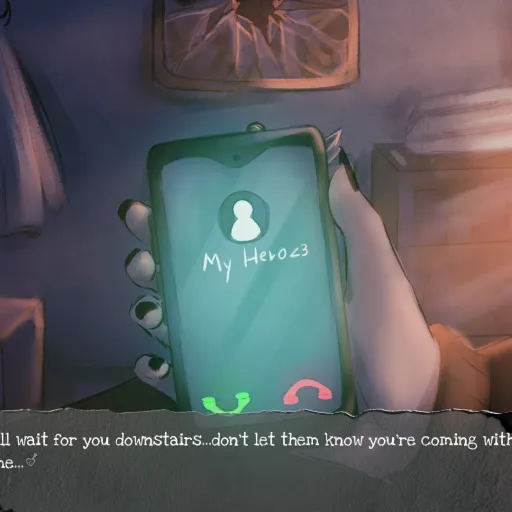









The Kid At The Back drops players into an intense psychological pressure cooker masked as a standard university experience. Surviving inside this digital drama requires constant management of your academic schedule alongside complex interpersonal relationship mechanics. You play as a quiet kid who must analyze dialogue trees, identifying hidden behavioral tells from multiple romance targets while balancing the brutal stamina drain of daily classes. Sitting at the back of the classroom, the kid demands strict observation skills to unravel the central mystery without suffering academic failure. You will constantly be looking back at your choices, wondering if the kid you befriended is hiding a darker secret.
Deconstructing Campus Paranoia
Mastering Dialogue Tree Interrogation
Standard visual novels utilize basic linear conversational paths. The Kid At The Back fundamentally alters interaction math by introducing deceptive emotional background systems. Choosing responses requires evaluating hidden psychological variables for every kid you meet. Every character encountered possesses unique defensive barriers. Breaking through these barriers demands matching dialogue options against their current emotional state metrics. Trust cannot be farmed repeatedly through repetitive gifts; you must leverage precise contextual empathy to win over the mysterious kid.
Executing perfect social links transforms random chatting into surgical information gathering. The logic systems powering The Kid At The Back calculate relationship progression using strict temporal constraints. Veteran players select conversation topics rhythmically, bypassing shallow pleasantries to extract critical lore without alerting the target. Sustaining these unstable social dynamics separates true investigative masters from a casual kid experiencing this intense simulation. You must always watch your back.
Weaponizing Schedule Management
Unlike simplistic dating simulators rewarding infinite free time, this classroom mystery forces brutal resource allocation constraints. Attending mandatory lectures drains physical stamina meters rapidly. Surviving crucial story beats requires understanding rigid academic deadlines. Skipping classes decreases your GPA threshold, leading to premature failure states and expulsion. Balancing study periods against investigative window opportunities determines your overall survival probability as a struggling kid. Sometimes, falling back on studying is the only way to survive.
Offensive maneuvering involves reading invisible social event triggers. Because library study sessions generate massive fatigue, timing rest periods correctly transfers saved energy into nocturnal investigation phases. Performing successful espionage operations requires memorizing patrol routes across the digital campus map. Every dark hallway acts as potential danger zones. Precision stamina transfer constitutes foundational meta-strategies governing high-level play. If you push the kid too hard, you will end up back at the start of the week.
The Kid At The Back: Tactical Engine Specs
| System Specs | Details |
|---|---|
| Developer | Independent |
| Core Engine | Dynamic Dialogue Trees / Stamina Drain |
| Primary Challenge | Information Extraction & GPA Management |
| Traversal Mechanics | Temporal Navigation / Map Awareness |
Executing Investigative Protocols
Analyzing Procedural Narrative Hazards
Story branches generate dynamically using complex narrative logic. However, engines do not place plot twists back-to-back randomly. As relationship metrics increase, internal difficulty directors systematically reduce safe conversational topics. Early chapters feature wide social zones populated by gentle interactions. Deep runs inside the academic challenge introduce back-to-back psychological traps, shifting loyalties, and dynamic verbal barricades requiring the kid to think quickly.
High-level routing involves advanced behavioral pattern recognition. While dialogue options generate procedurally, the game pieces together predetermined narrative chunks. Veterans of this intense simulation memorize these specific conversational configurations instantly upon encountering a new kid. Recognizing complex emotional triggers allows the kid to preemptively execute specific pacification commands, completely bypassing reactionary processing phases that cost crucial relationship points during the tension states. Never look back when making a choice.
"Biggest mistakes novices make in the classroom mystery involve blindly agreeing with the kid continuously. Agreeing indiscriminately guarantees hitting narrative dead-ends. Always challenge statements rhythmically to maintain intellectual respect while extracting essential background lore."
Optimizing Peripheral Social Awareness
Visual processing determines ultimate survival limits. During crowded classroom scenes, focusing on immediate foreground kid characters guarantees missing crucial background details. The narrative experience mathematically forces the kid to elevate their gaze toward subtle environmental storytelling elements. By analyzing distant pixel clusters representing specific character groupings in the back of the room, human brains can calculate optimal intervention angles milliseconds earlier.
This technique requires trusting peripheral vision to handle immediate dialogue selection. An elite kid will treat this digital drama as atmospheric logic puzzles. While central focus remains locked on parsing complex text blocks, subconscious muscle memory scans the background art for shifting character placements. Disconnecting central vision from immediate text constitutes foundational survival mechanics required for unlocking the true ending. Always keep your back against the wall.
- Stamina Hoarding: Intentionally sleep through non-essential study sessions. Maintaining high energy reserves inside this intense simulation provides maximum cognitive velocity, allowing instant deductive reasoning when confronted by sudden plot twists.
- Evidence Quarantine: Refuse revealing collected clues immediately upon discovery. Let the kid dig deeper holes organically to force confession routines into natural isolation manually before pushing back.
- Behavioral Testing: Tap dialogue options lightly by saving before committing fully. Visual processing often misses subtle facial expression changes engineered to destabilize trust hitboxes. Always step back to observe.
Psychology of Digital Intimidation
Overcoming Choice Induced Panic
Because the narrative experience features strict temporal limits, engines guarantee eventual narrative collapse upon careless decision making. As potential investigation days shrink, cognitive processing buffers eventually overflow. Recognizing this inevitable deadline directly induces subconscious panic. The kid begins clicking randomly, abandoning deductive logic unnecessarily, and making rigid, jerky selections leading directly toward the bad ending. Stepping back is essential.
True competitive dominance demands stoic emotional detachment. The kid must accept remaining calendar days as immutable factual limits. By focusing back on maintaining fluid deductive rhythms and ignoring escalating frustration metrics, veterans mitigate panic impact. This digital drama rewards cold, calculating social planning while brutally punishing emotional reactions. You cannot take back a poor choice.
A Masterclass in Psychological Tension
Ultimately, the academic challenge proves that profound mechanical depth thrives within conceptually simple visual novel frameworks. By combining complex interpersonal logic constraints with aggressive stamina drain systems, developers created compelling digital gauntlets. Engines in this intense simulation perfectly simulate ruthless university pressure, demanding the kid balance precise schedule parsing with abstract psychological anticipation. Looking back at your journey is rewarding.
For any kid seeking deep narrative challenges demanding zero reflex-based distractions, the classroom mystery offers fiercely intelligent execution tests. Interplay between simulated social traps, dynamic text rendering, and strict time discipline solidifies the narrative experience as elite tier entries within modern browser-based storytelling genres. The kid is always waiting at the back.
Frequently Asked Questions About The Kid At The Back
Why does my GPA drop randomly upon finishing a successful investigation?▼
Is there any way to regain lost relationship points mid-conversation?▼
Are dialogue paths truly random every single attempt?▼
Looking for more frights? Browse our scary games online for the full horror collection.