


Stasis
New Games

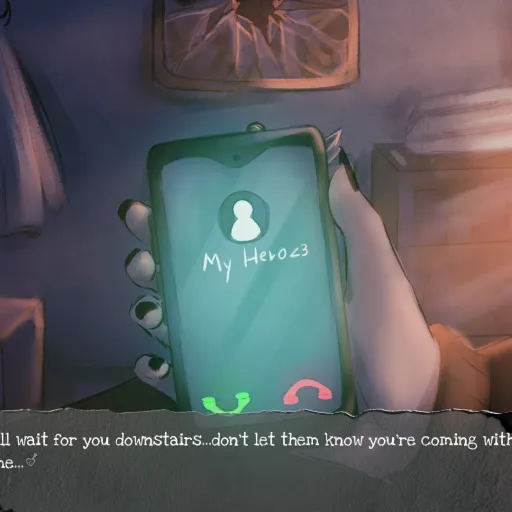










Stasis Technical Overview & Environmental Dread
Psychological Mechanics within Stasis
The initiation of this simulation begins with a total blackout of information. Stasis requires absolute focus on environmental cues as you explore a desolate family home that seems to shift when you aren't looking. Unlike action-oriented projects, the game uses minimal lighting and localized soundscapes—like a ticking clock or a distant floorboard creak—to maintain extreme psychological pressure. In Stasis, the absence of a visible enemy creates a vacuum of fear that the player's mind quickly fills with the worst possibilities. Acting out of turn or making unnecessary noise in the halls leads to an immediate encounter with the house's unseen resident, effectively terminating your attempt and resetting the cycle.
Atmospheric Logic in Stasis
Building dread within Stasis relies on the absence of information and the strategic use of shadows to manipulate the participant's perception. This experience forces you to confront the shadows.
Observation Protocol for Stasis
Monitoring subtle visual distortions in Stasis is critical for identifying safe paths through the hallways. The internal protocol requires constant vigilance.
Stealth Synchronization in Stasis
Moving within Stasis requires syncing your movements with ambient background noise to remain undetected. Every step in the house must be deliberate.
Cryptic Puzzle Resolution within Stasis
Once the core exploration is established, the Stasis project demands analytical precision. Solving the riddles of Stasis involves extracting data from discarded notes and rearranging environment tokens to unlock recursive pathways. The simulation hides key fragments—like safe codes or ritual sequences—in plain sight, often tucked within simple diary entries. This experience highlights the vulnerability of the player, as every interaction with a puzzle object here could attract a lethal guest from the darkness. Mastery of the Stasis environment requires reading between the lines of the family history, where the truth is more terrifying than the hauntings themselves in this world.
Item Management in Stasis
Stasis requires the participant to distinguish between vital quest items and atmospheric distractions within the simulation. Every item found has a purpose hidden in the lore.
Risk Mitigation for Stasis
Implementing a strategy of speed vs. silence is vital to ensuring that Stasis puzzles are solved before the threat manifests. The threat timer is invisible but always counting down.
Stasis Strategic Verdict & Analysis
Stasis acts as a profound exploration of isolation and the fear of the unknown. The project uses its simple 2D viewpoint to deliver a high-impact horror experience that feels incredibly claustrophobic as the narrative unfolds. In Stasis, the fear is generated by the participant's own imagination, fueled by the excellent sound design and minimalist visuals. Ultimately, your journey through this silent house is a reflection on the fragility of memory, proving that in Stasis, the greatest fear is not what you see, but what you suspect is happening just out of reach. The Stasis simulation forces a confrontation with the void that exists within our own subconscious, making the title a landmark title in web-based psychological horror.
Psychological Impact of Stasis
Masterfully critiques the reliance on visual horror in the Stasis project.
Sound Design for Stasis
Minimalist audio communicates localized threats within the Stasis simulation.
Atmospheric Loop in Stasis
The recursive dread of this Stasis project highlights the inevitability of fear.
Looking for more frights? Browse our scary games online for the full horror collection.